
Research Infrastructure
With more than 80 state-of-the-art facilities, Ontario Tech University has the capability to improve processes, policies, productivity and competitiveness, making a difference in Durham Region, Northumberland County and far beyond.
Industry, government and academic partners can access our labs, equipment and expertise. Below are twelve facilities that show the range and depth of what happens here.

In-kind lab space rates
In-kind contributions represent the value of non-cash contributions the university provides to a sponsored project when those contributions directly benefit that project. Where university laboratories or research facilities essential to the research are eligible as an institutional in-kind contribution, these rates apply.
Featured Facilities
A cross-section of the infrastructure behind Ontario Tech’s research strengths, from climatic vehicle testing to nuclear hydrogen production and digital media.
-
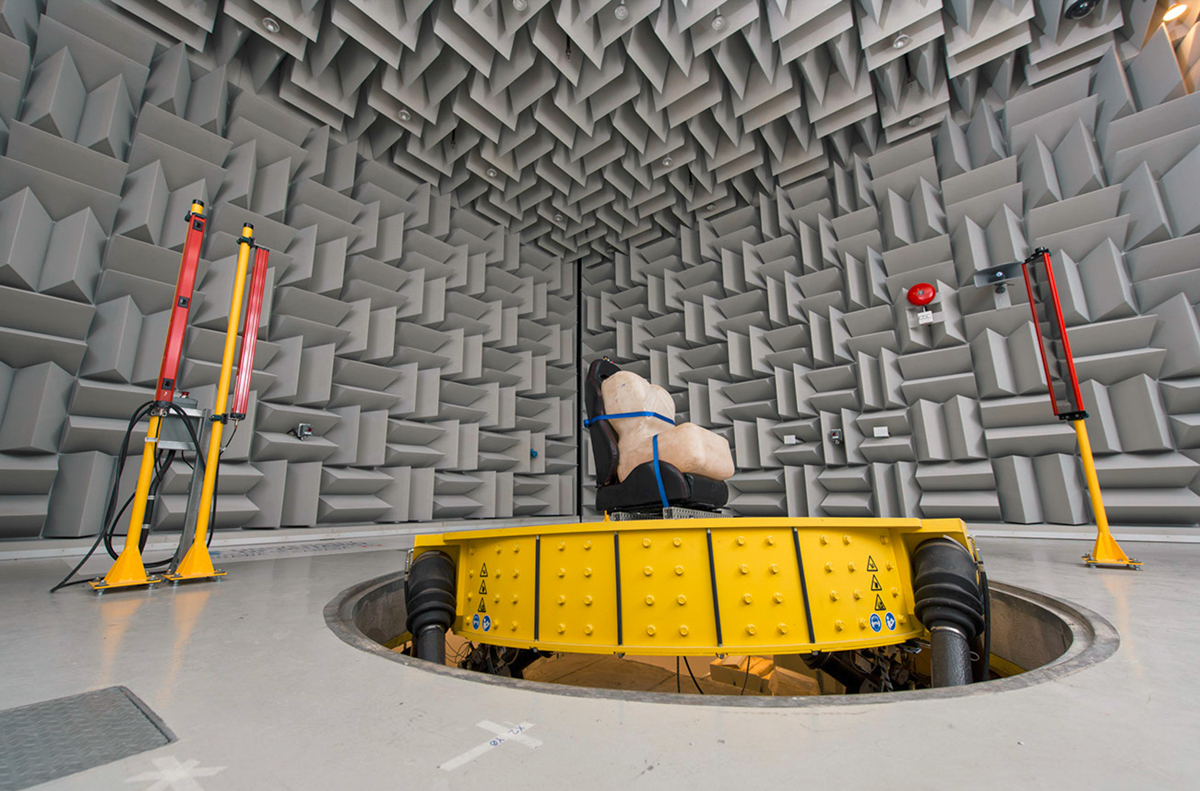 Automotive
 Centre of Excellence (ACE)
A world-leading, multi-purpose facility housing one of the world’s most sophisticated climatic wind tunnels, climatic chambers, a climatic four-post shaker and a multi-axis shaker table. ACE has garnered $18 million in research and development funding with 125 companies over the past five years, and hosts more than 100 tours and 40 community events each year.
-
ATLEnvironment
Aquatic Toxicology Lab
A 20,000-litre wet lab used to understand how threatening contaminants affect aquatic life, and to develop the tools needed to respond rapidly to potential threats.
-
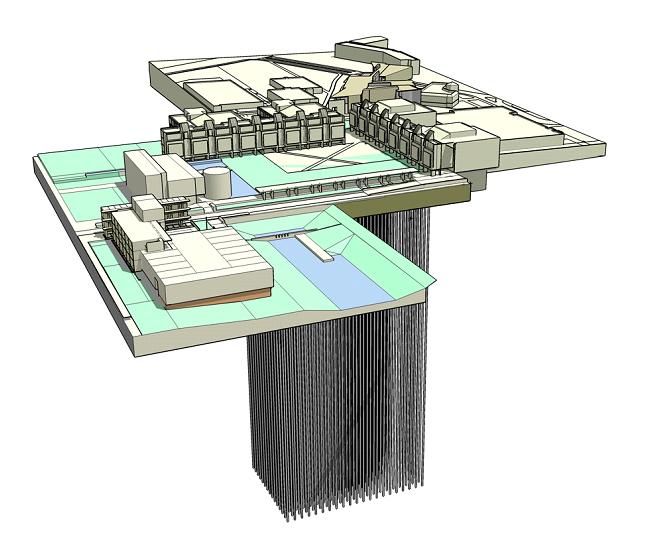 Clean energy
Borehole Thermal Energy Storage System
384 boreholes, each 213 metres deep, form the basis of a highly efficient heating and cooling system that regulates eight university buildings, making the campus itself a working demonstration of energy-efficient infrastructure.
-
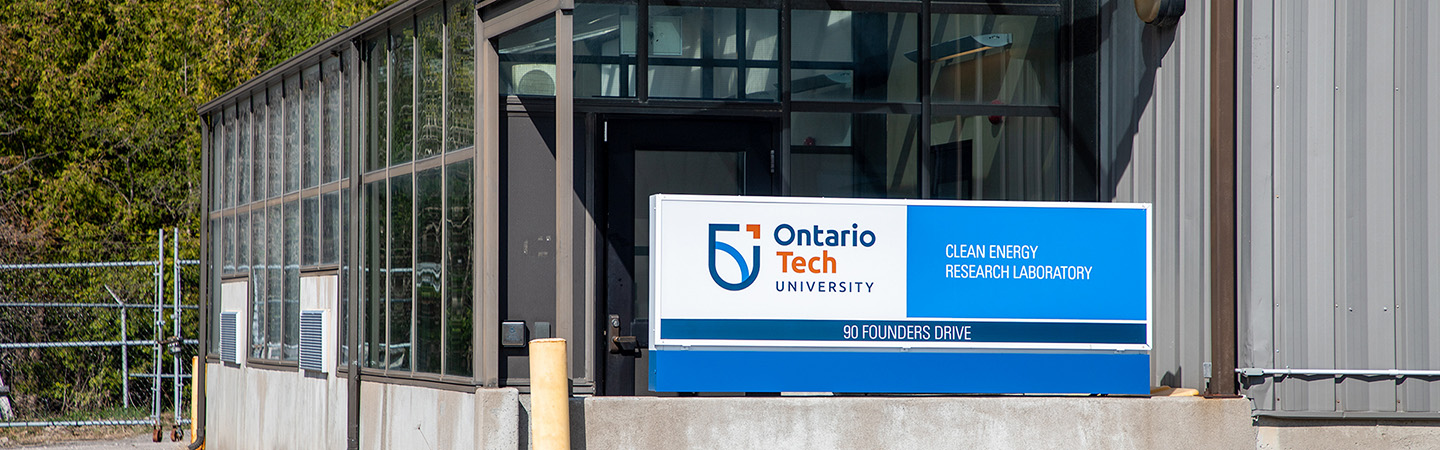 Clean energy
Clean Energy Research Lab (CERL)
An internationally recognized facility funded through more than $20 million in provincial and federal dollars, developing heat engines, nanotechnology and hydrogen-producing technologies. CERL hosts the world’s first lab-scale demonstration of a copper-chlorine cycle for thermochemical water splitting and nuclear hydrogen production.
-
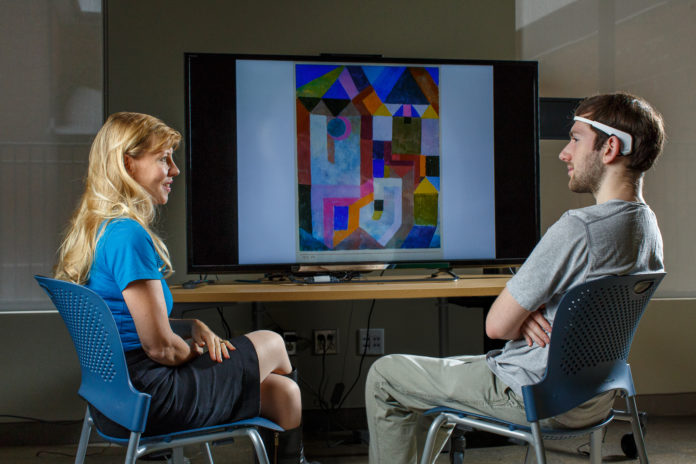 Digital media
Digital Culture and Media Lab (Decimal Lab)
Studies digital technologies as they emerge, concentrating on the personal media people carry, pocket, wear, implant and consume, and how that shift affects life, society, culture and the arts. Research-creation projects take a critical media approach intended to provoke dialogue.
-
 Education
al Informatics Laboratory (EILab)
A physical and virtual space for research at the intersection of education and informatics, connecting international researchers around the human experience of using digital information and communication technologies.
-
 Energy & nuclear
Energy Systems and Nuclear Science Research Centre (ERC)
Home to education programs that are unique in Canada and to leading-edge research in geothermal, hydraulic, hydrogen, natural gas, nuclear, solar and wind energy, alongside public-private research and commercialization partnerships.
-
 Materials
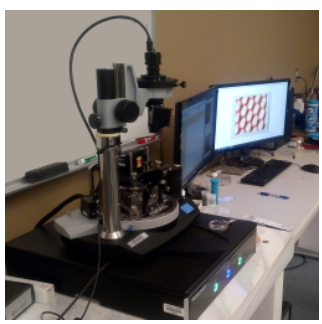
 Characterization Facility (MCF)
Modern instrumentation operated by a multidisciplinary team of experts, supporting analysis from the micro to the nanoscale. Open to Ontario Tech faculty and students as well as external partners looking to explore materials science together.
-
MIPClean energy
Microgrid and Innovation Park
A facility for research, testing and training engineers to develop the microgrid concept for broader use, with a focus on seamless power transition during failures.
-
 Computing
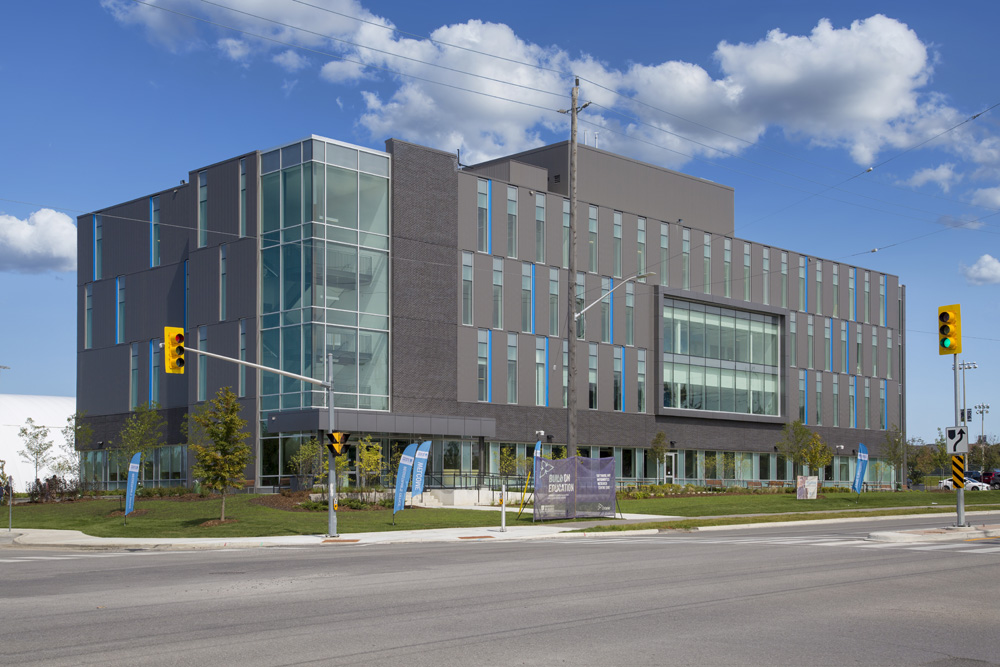
Software and Informatics Research Centre (SIRC)
Flexible research, study and learning space, home to three Faculty of Engineering and Applied Science laboratories and the Faculty of Business and IT Incubator, where students work with community and industry partners on new businesses and products.
-
 Education
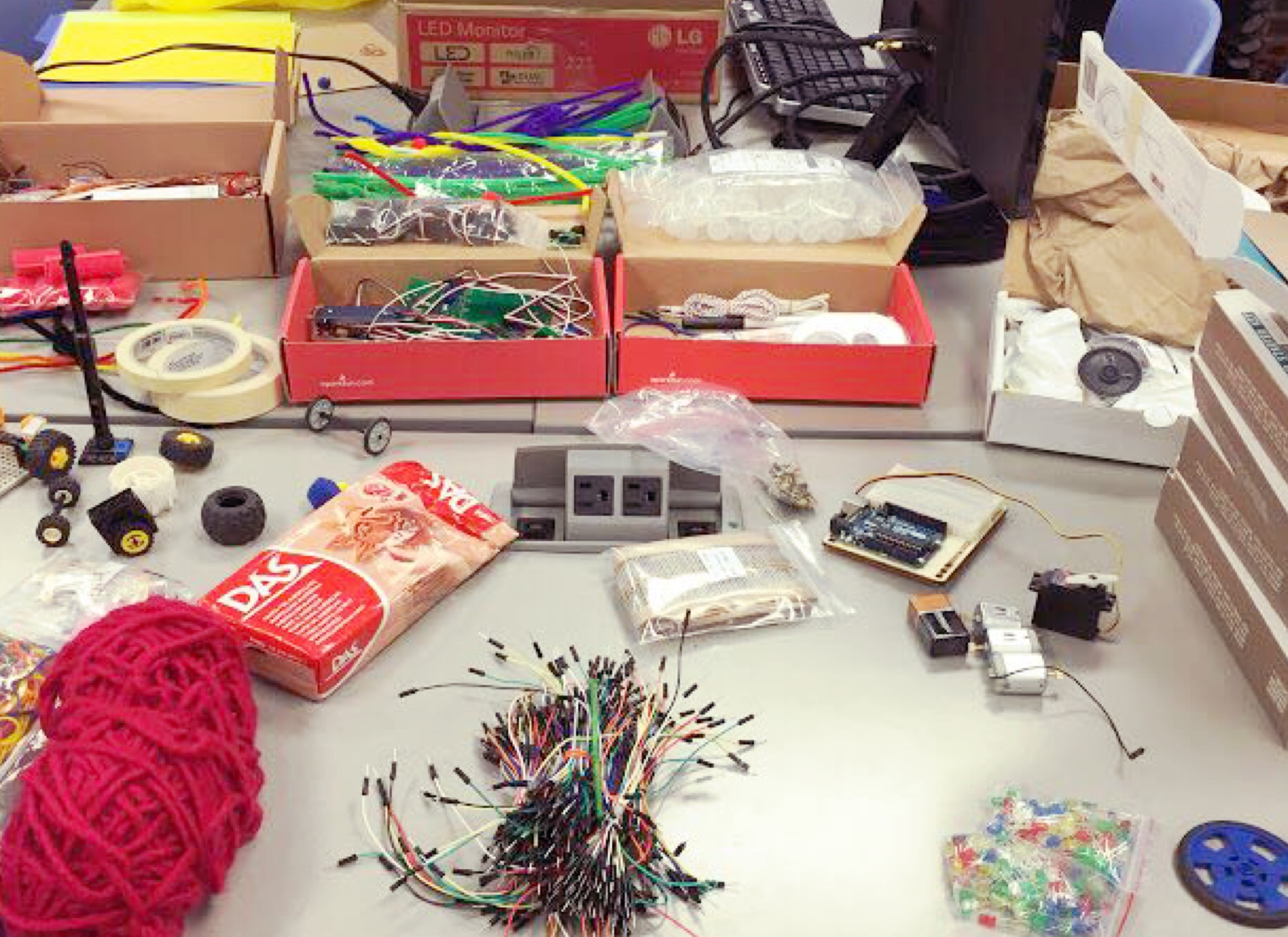
STEAM 3D Maker Lab
A rolling classroom examining how emerging digital media and interactive tools challenge traditional teaching methods. Work here addresses the digital literacy needs of at-risk students and builds interest in science, technology, engineering and mathematics through the arts.
Researchers: list your facility on the CFI Navigator
The Research Facilities Navigator is a growing national directory of institutions open to collaboration with industry, external research partners and other organizations. Ontario Tech researchers add their labs by completing a short intake form.
The more complete a profile, the longer users spend on it, so include high-quality photos, links to more information about your facility, and relevant social media.
Explore Further
-
Ontario Tech Facilities on CFI Navigator
These Ontario Tech research facilities are included in the CFI Research Facilities Navigator.
Ontario Tech facilities on CFI Navigator -
Core Research Facilities
Research facilities that are routinely used by researchers from all six Faculties are considered core facilities.
Core research facilities -
Research Institutes, Centres and Groups
Research entities at Ontario Tech often use cross-Faculty collaboration and external partnerships to address today’s multifaceted issues.
Research institutes, centres and groups